

Welcoming Back Migratory Birds
- Gabrielle DeRose
- Feb 20, 2024
- 3 min read

Updated: Oct 6, 2024
Here in southeast Michigan, the weather is beginning to change from cold winds and snowy grounds to sunny skies and warm breezes. The transition from winter to spring is one of my favorite things to experience, as many migratory birds make their journey back from the south. On days like today where the weather is fair and tolerable, I like to leave the screen door open to my deck and listen to the various songs of travelling birds. Identifying the different complex songs and notes of the local avifauna can take practice and experience, but combined with being able to actually see the feathered song spinners in action, I've been able to get a bit more familiar with my backyard's more frequent visitors.

Today, I can see and hear American robins, house sparrows, black capped chickadees, blue jays, common starlings, tufted titmice, and even a few hairy woodpeckers. During winter, the territorial lines between birds become thinned as they all struggle to find food and shelter in the harsher weather. While the lines become a bit more fleshed out now as the birds return, there's still a fair bit of gray area that allows me to see all sorts of different species in one place.
I've been working on building and painting a birdhouse that I can put out once the spring season rolls around. It unfortunately isn't quite ready for my feathered friends to use yet (especially since here in southeast Michigan, the weather can be unpredictable. There may still be more snow to come!) so I've decided to simply put out a few plates of bird-safe food in the meantime. I have yet to pick up any birdseed, so my next best option was to pilfer my cabinets and fridge for berries and nuts that the local wildlife can snack on.
My backyard has two trees: an eastern white pine and a great big maple that the birds love to perch on. Beneath the white pine, I've placed a saucer filled with blackberries, raspberries, strawberries, dried cranberries, raisins, dried apples and mealworms. As I sit here writing this, I can see a curious blue jay examining the saucer from the safety of the pine's lowest branch. Blue jays are especially cautious and intelligent, being members of the "corvidae" family- a group of particularly smart birds including crows and ravens. After the jay confirms that the saucer is safe to eat from, I'm sure he'll stop to snag a few mealworms.
For the past few years, my backyard has also been home to a little eastern chipmunk that lives beneath my deck. Today marks the first time I've seen him this year, sunbathing and enjoying the warmer weather. Once he spots the plateful of goodies, I have no doubt that he'll also make a mad dash to take his pick of the treats.
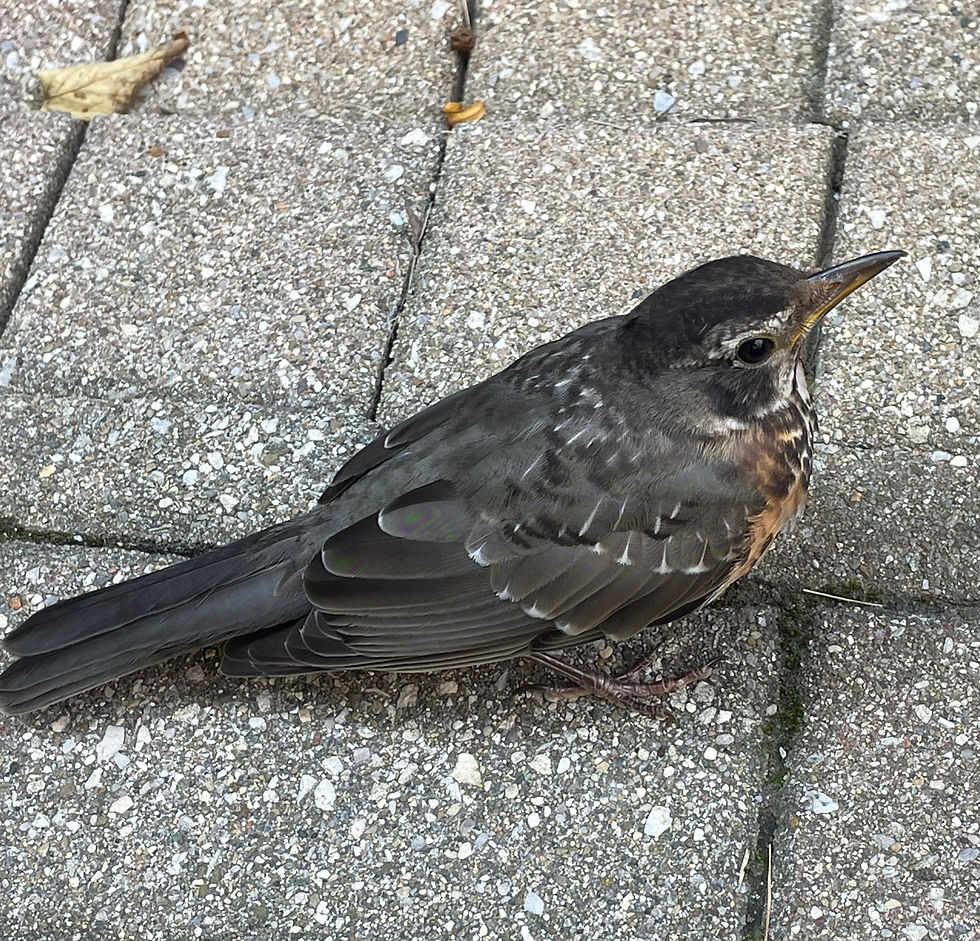
Once spring makes its full appearance, I hope to see the family of American robins that returns each year to make their nest in the shrub besides my kitchen window, or the pair of northern cardinals that scavenge for fallen berries at the far end of the yard. I'm a new addition to the birdwatching hobby, so I'm especially excited to see the arrival of warblers and nuthatches. What treats will you be offering to the avians of your locale this spring?

Comments